Reading

What I’m reading, what I’ve finished, and the ideas worth carrying forward.

Format: key takeaways, questions it raised, and how it connects to things I already know.

Clear Thinking — Book Notes

·2 mins
image

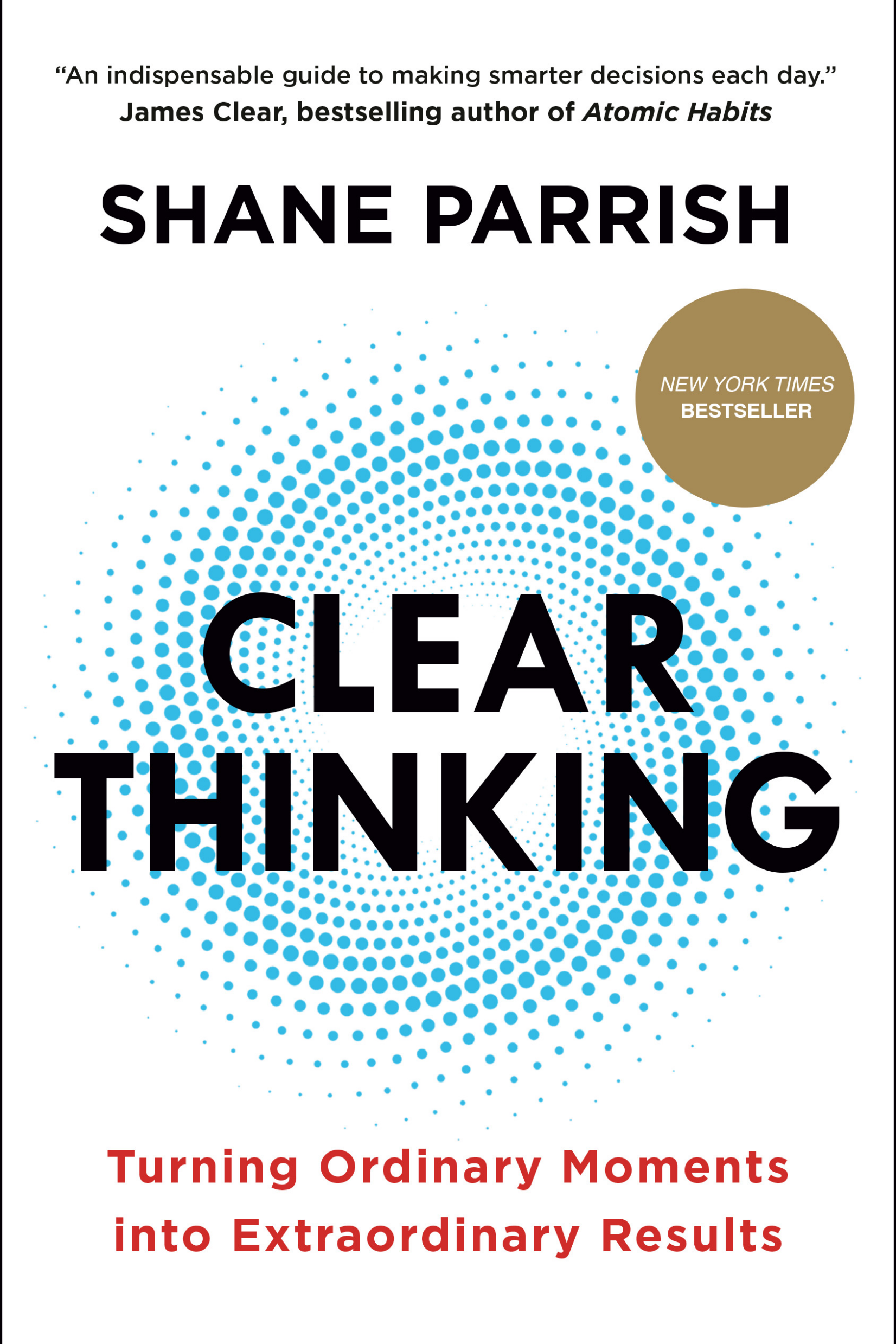
Clear Thinking: Turning Ordinary Moments into Extraordinary Results by Shane Parrish


STOP! This is a moment when you need to think.

The goal: to train ourselves to identify the moments when judgment is called for in the first place, and pause to create space to think clearly.

The space between stimulus and response is where clear thinking lives.

The person who learns how to think clearly ultimately applies more of their overall effort toward the outcomes they want.
Essentialism — Book Notes

·2 mins

image

Essentialism: The Disciplined Pursuit of Less by Greg McKeown


The commitment to doing only the things that were truly important — and eliminating everything else — restores the quality of your work.

Give yourself permission to stop trying to do it all, to stop saying yes to everyone.


The Essentialist way

The way of the Essentialist is the relentless pursuit of less but better.

Essentialism is a disciplined, systematic approach for determining where our highest point of contribution lies, then making execution of those things almost effortless.

How to Take Smart Notes — Book Notes

·3 mins

image

How to Take Smart Notes by Sönke Ahrens


On bias and systems

If one were to attempt to identify a single problematic aspect of human reasoning that deserves attention above all others, the confirmation bias would have to be among the candidates for consideration.

A good system will force us to act more virtuously without actually having to become more virtuous.

The antidote: indiscriminate gathering of any relevant information regardless of what argument it will support.

The Little Blue Reasoning Book — Book Notes

·2 mins

image

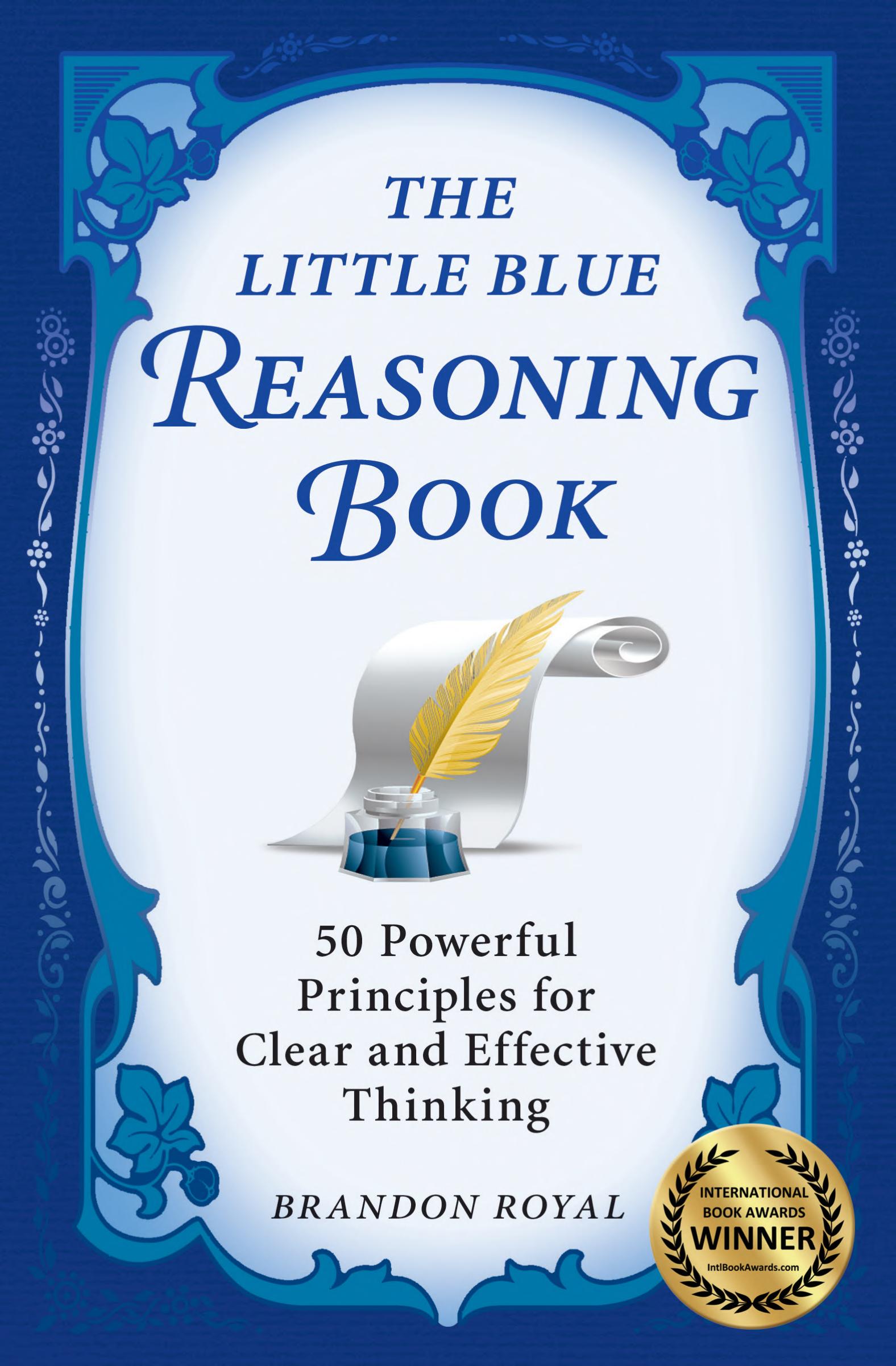
The Little Blue Reasoning Book: 50 Powerful Principles for Clear and Effective Thinking by Brandon Royal


On perception and mindset

Selective perception is the tendency to see the world the way we would like it to be rather than how it really is. The sound thinker suspends judgment and is not unduly influenced by stereotypes, prejudices, isolated experiences, or preconceived notions.


On creative thinking

Creative thinking is “backdoor” thinking.

The Upanishads — Book Notes

·3 mins

image

The Upanishads translated by Eknath Easwaran (2nd Edition)


We spend our days in the familiar world of our five senses, but what lies beyond that — if anything — we have no idea.

The real drive of these ancient texts is not so much to know the unknown as to know the knower.


Three texts, three formats

The Upanishads, the Bhagavad Gita, and the Dhammapada are among the earliest and most universal messages sent to inform us that there is more to life than the everyday experience of our senses.

Verbal Judo — Book Notes

·3 mins

image

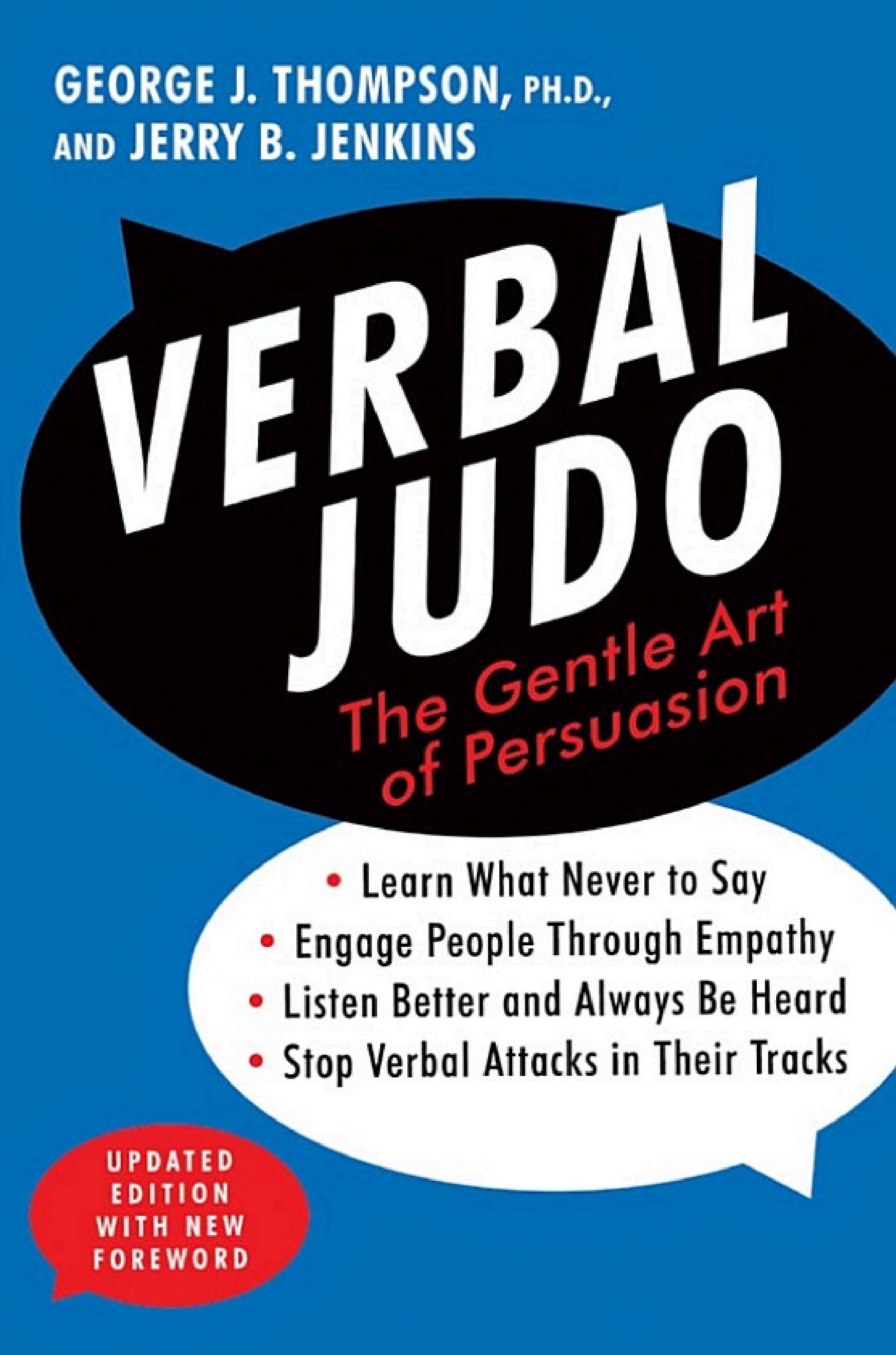
Verbal Judo: The Gentle Art of Persuasion by George J. Thompson, Ph.D.


On knowing people

To be a contact professional you must first, of course, be in contact with yourself.

You have to learn to read people carefully.

If you know yourself and you know the opponent, you can win a hundred percent of the time.

If you’re going to work for others and represent them, you must not allow people to push your button or pull your trigger. The question is: how do you build a trigger guard? Know thyself.

What the Heck Do I Do with My Life? — Book Notes

·2 mins

image

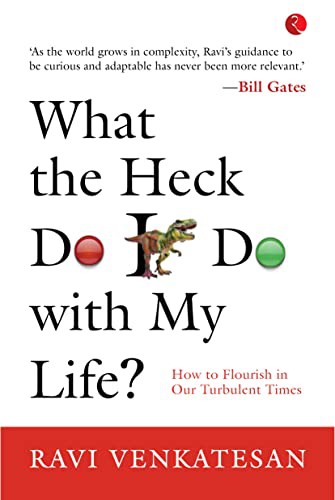
What the Heck Do I Do with My Life? How to Flourish in Our Turbulent Times by Ravi Venkatesan


The world is becoming more fluid — volatile, uncertain, complex and ambiguous (VUCA).

The true potential of any person is unknown and unknowable. With a combination of intentionality, years of toil and reasonable luck, most of us can accomplish more than we might imagine possible.


On mindset

Search Inside Yourself — Book Notes

·3 mins

image

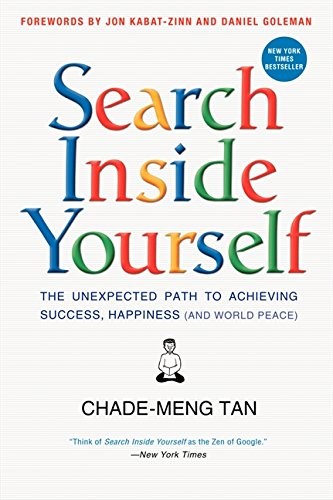
Search Inside Yourself by Chade-Meng Tan
With forewords by Daniel Goleman and Jon Kabat-Zinn


Emotional intelligence enables three things: stellar work performance, outstanding leadership, and the conditions for happiness.

EI is the ability to monitor one’s own and others’ feelings, discriminate among them, and use that information to guide thinking and action.


On attention

Mindfulness trains attention that is strong in both clarity and stability.

Jon Kabat-Zinn’s definition: paying attention in a particular way — on purpose, in the present moment, non-judgmentally.